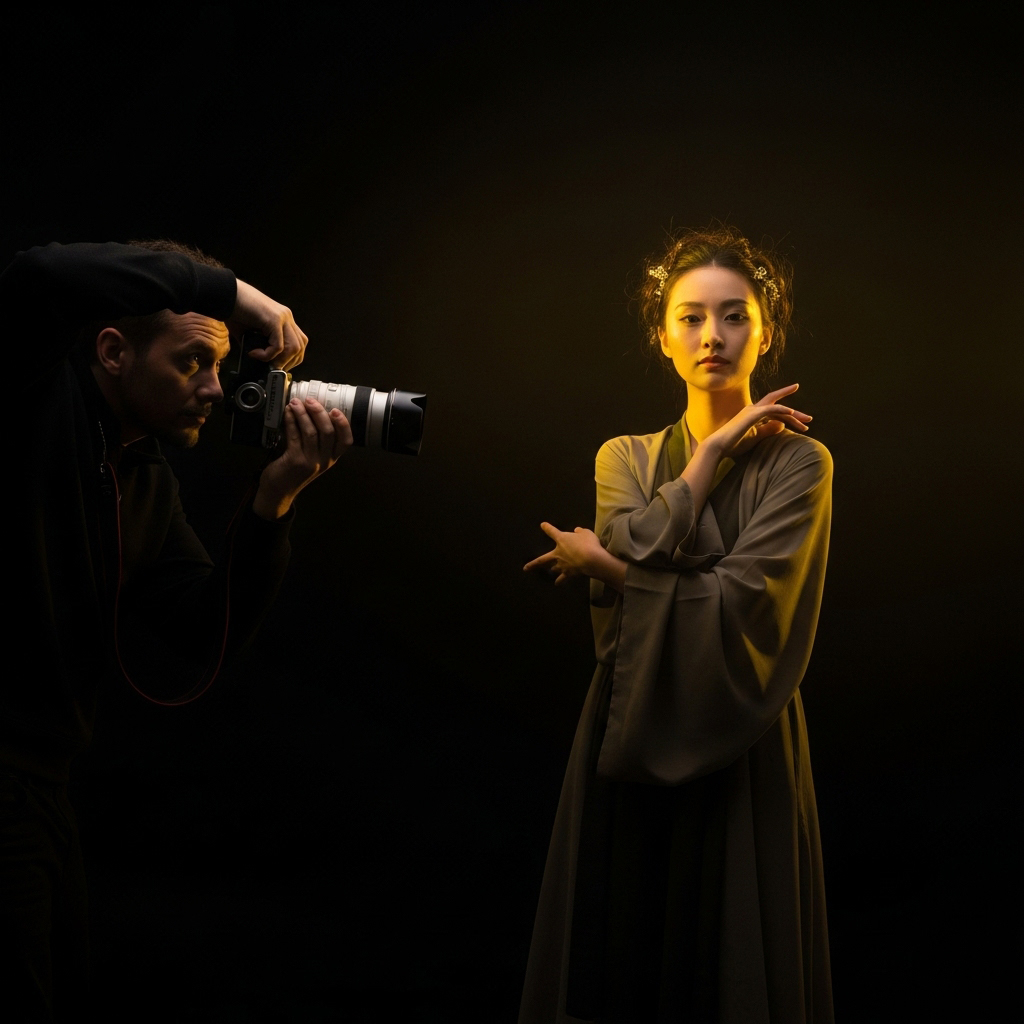
Portrait photography is not just a passing photo; it is an authentic art that shows facial features, expressions, people's identity, and emotions. Photographers use different techniques to highlight their skills in this field, focusing on lighting and employing its dramatic effect with high professionalism, while selecting the appropriate lenses and using effects like background blur to obtain wonderful and exceptional portraits.
Types of Portrait Photos

Traditional Portraits

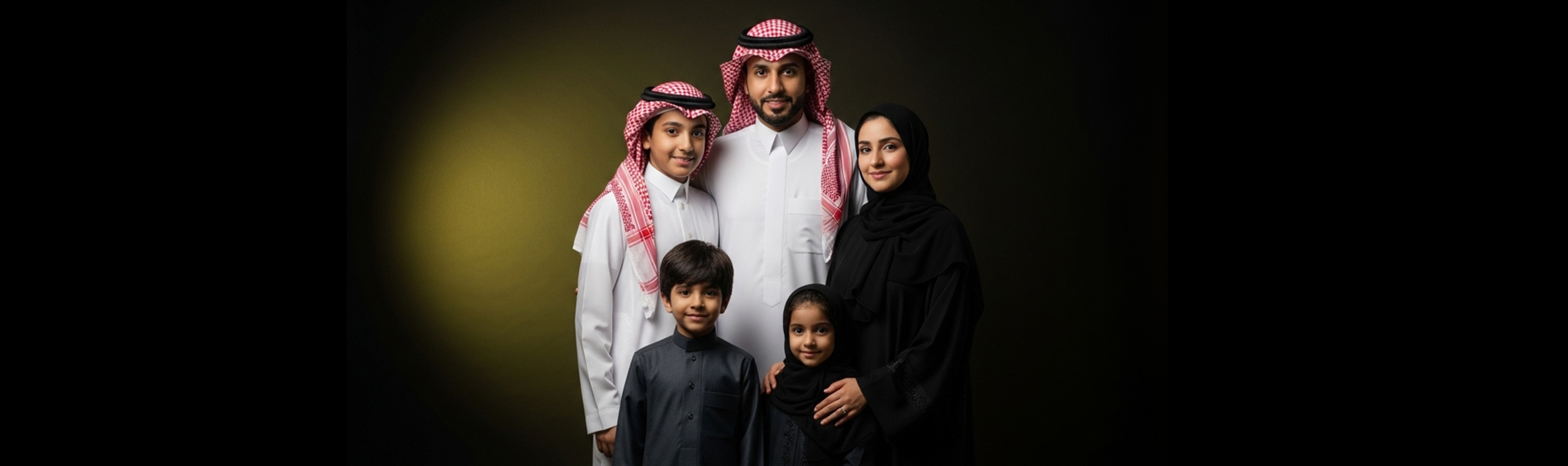
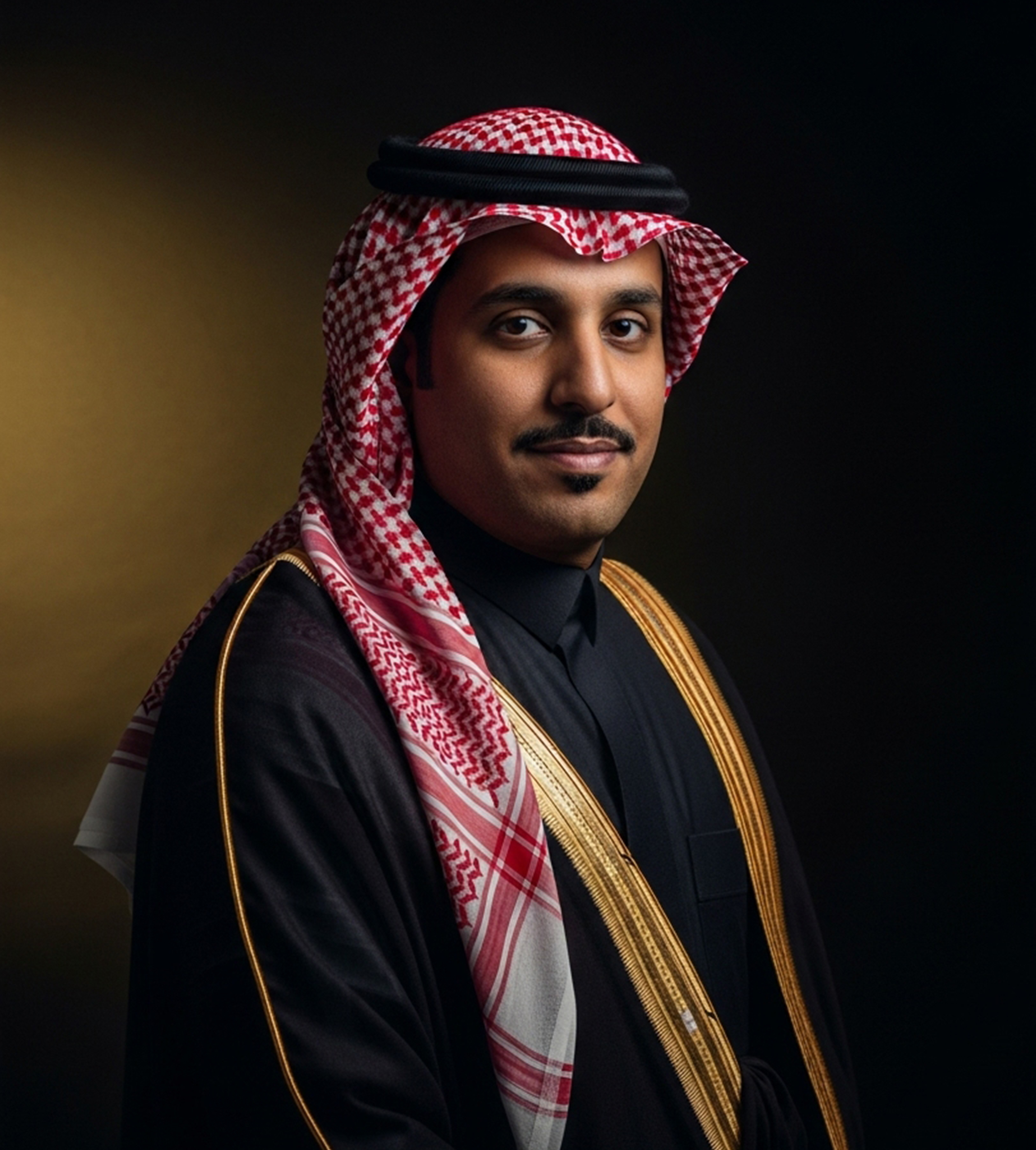
People usually look at the camera when taking this type of photo. It is a traditional photo taken in the studio with a formal background. This is one of the most common types that come to mind when thinking of portrait photos.

Group or Family Portraits

Group or family portrait refers to photos that include more than one person, such as wedding, family, or friend photos. This type is more difficult than capturing a single person's photo.

Lifestyle Portraits

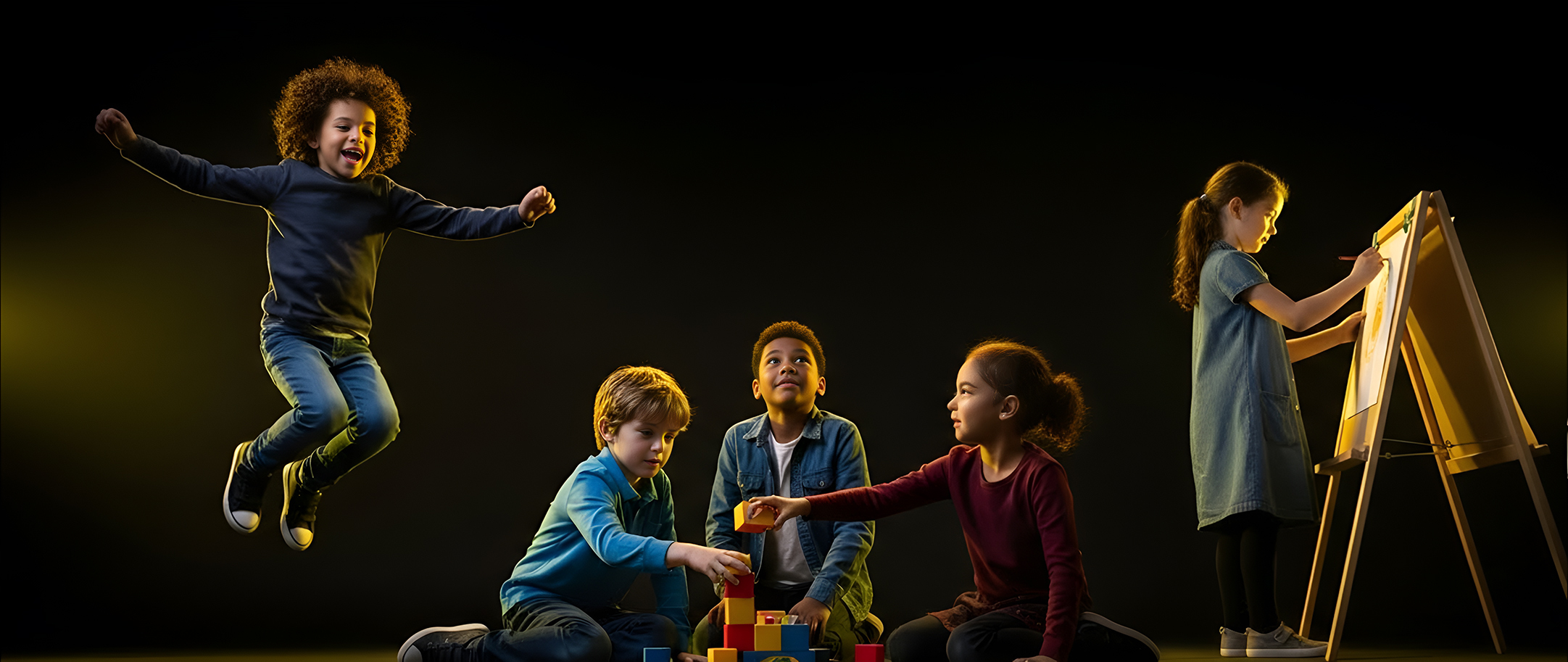
This type of photo is captured of people in their daily living environment, where the photographer schedules more than one photo session, such as photographing a group of children practicing their daily routines, playing, jumping, and other daily lifestyles.

Glamour/Beauty Portraits

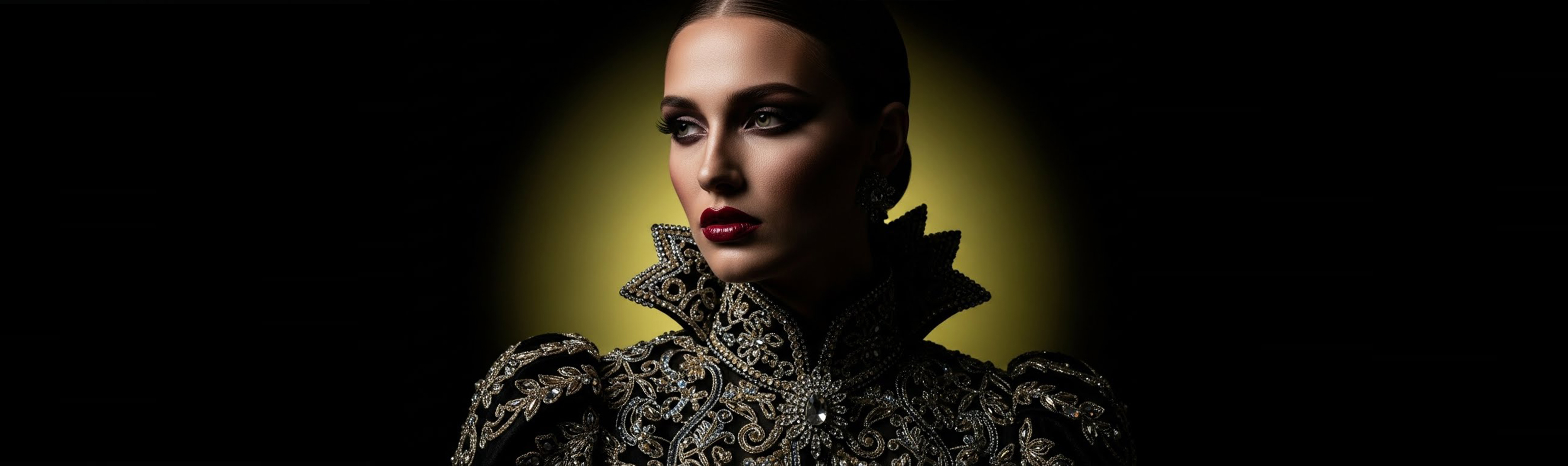
These photos focus on the beauty or glamour in the image, where the photographer needs to plan fashion or professional makeup.

Candid Portraits

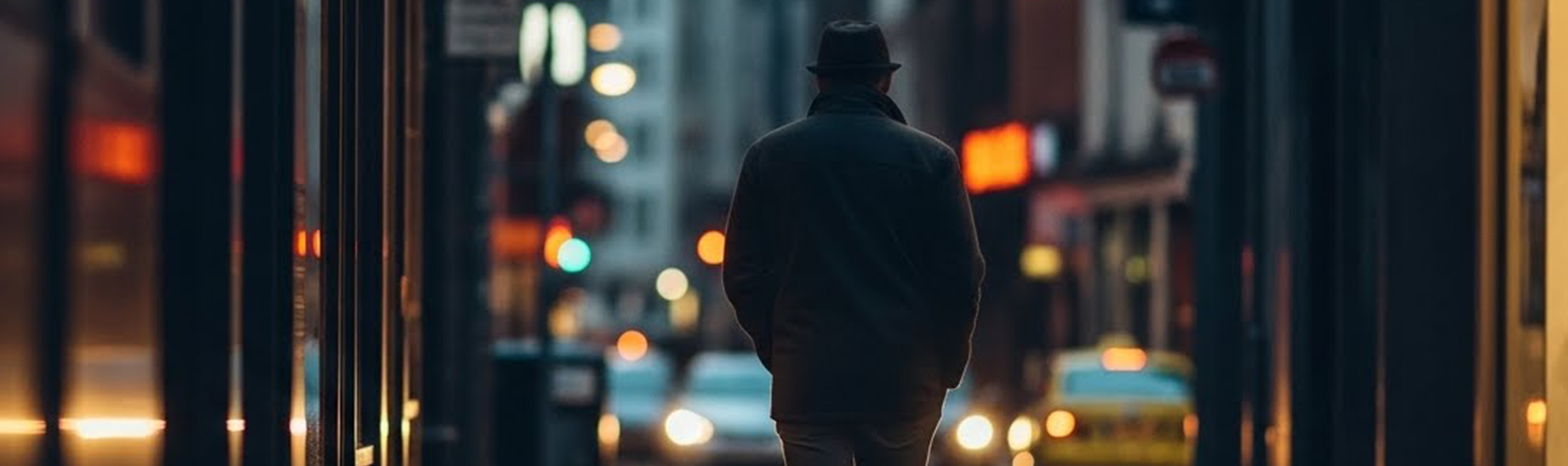
This type of photo is spontaneous and unplanned, like street photos. Therefore, there are no specific poses or directions, and it is not necessary for the person to look at the photographer.

Environmental Portraits

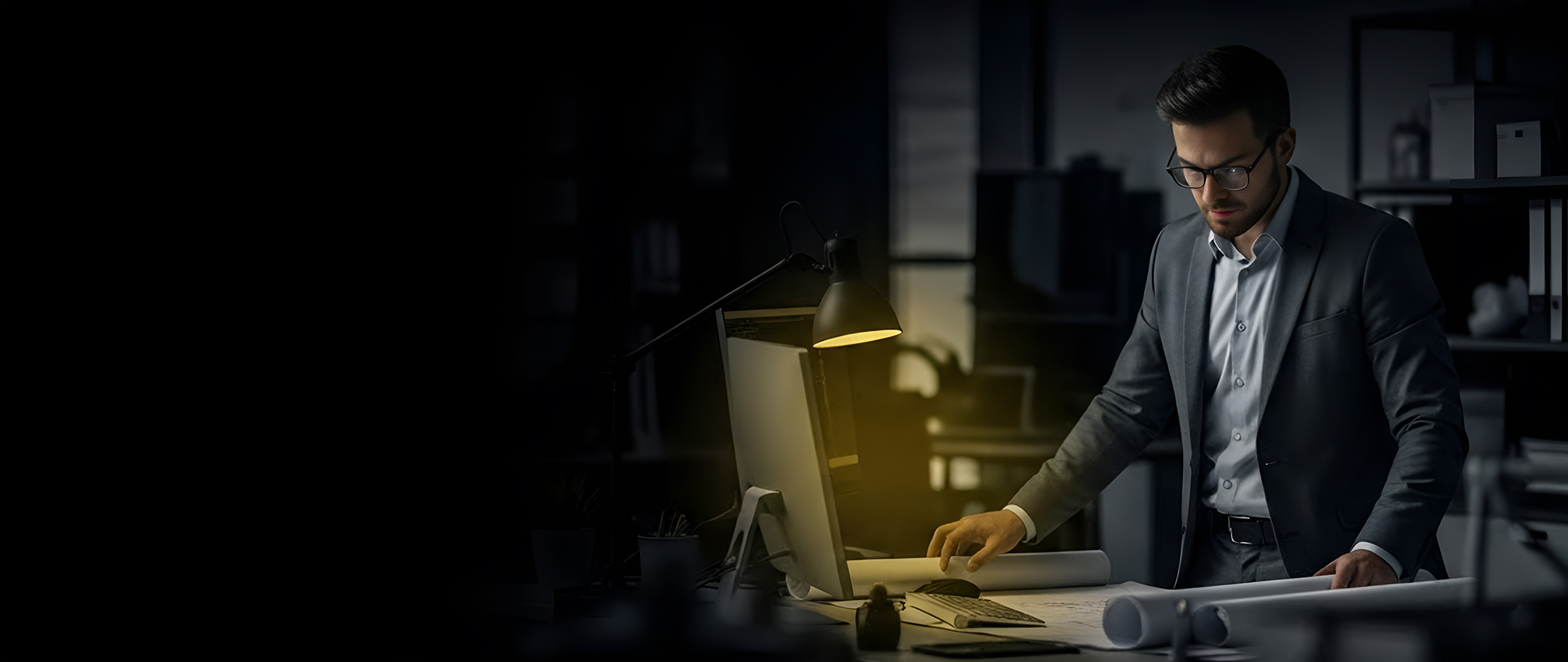
Focuses on the environment surrounding the person while keeping them as the subject of the photo. These photos are taken within an environment important to the person, such as their work environment. Note that environmental portraits differ somewhat from lifestyle portraits, as environmental portraits are more posed and structured.

Close-up Portraits

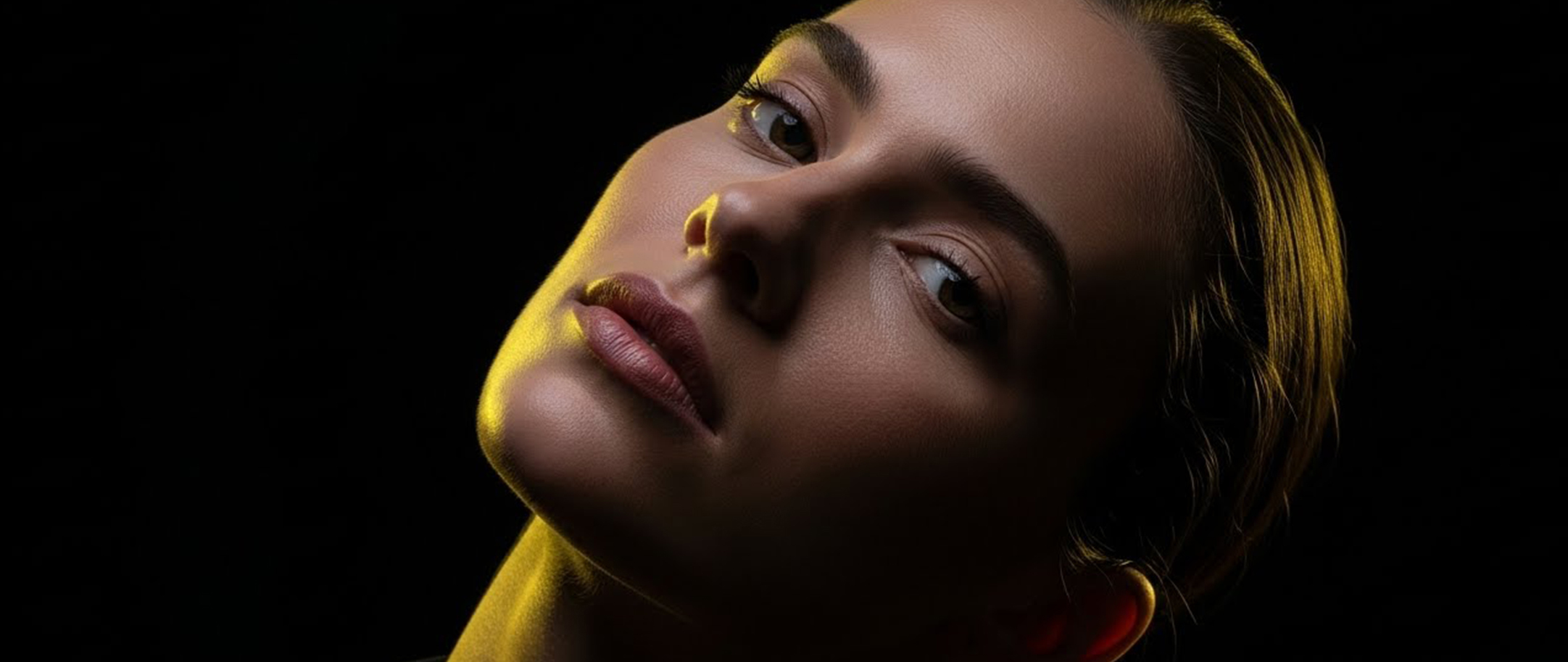
The photographer tries as much as possible to show facial features while hiding any flaws. The photographer might ask the person to tilt their head in a certain way to control this. The focus is mainly on the eyes, as they are the most prominent feature and express the soul. Many people want to see them in photos.

Conceptual Portraits

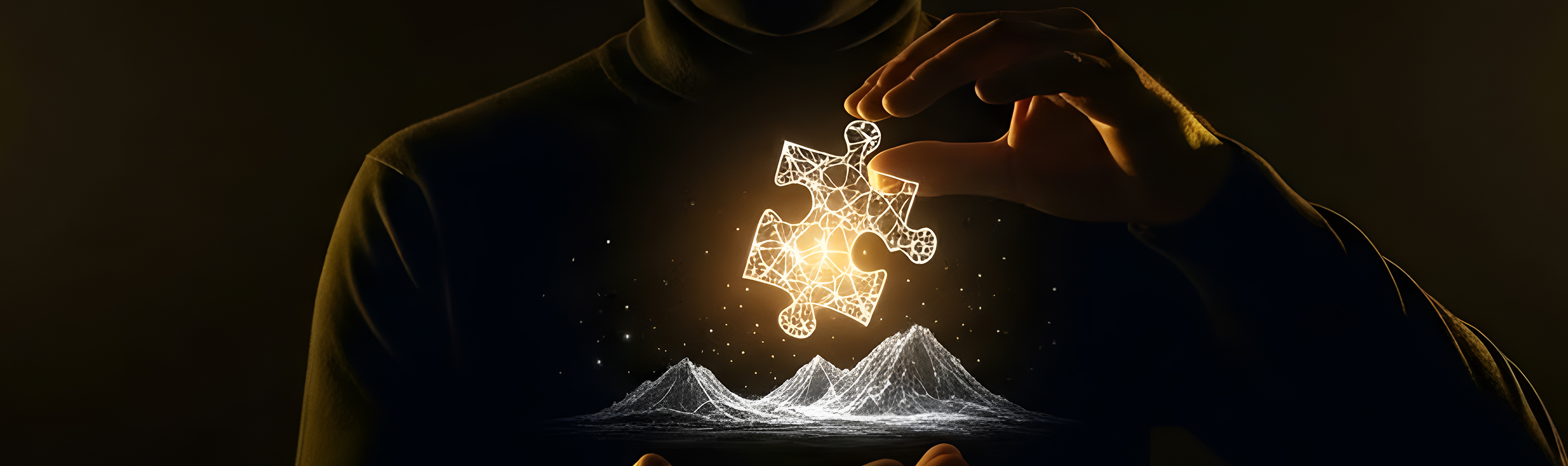
Adds artistic or symbolic elements to express a specific idea or theme.

Lighting in Portrait Photography

01

Natural Light

It is preferred to use the golden hour light to get soft and warm lighting while capturing portraits.

02

Side Lighting

Adds depth and shadows that enhance details in portrait photos.

03

Front Lighting

It highlights facial features and minimizes shadows.

04

Backlighting

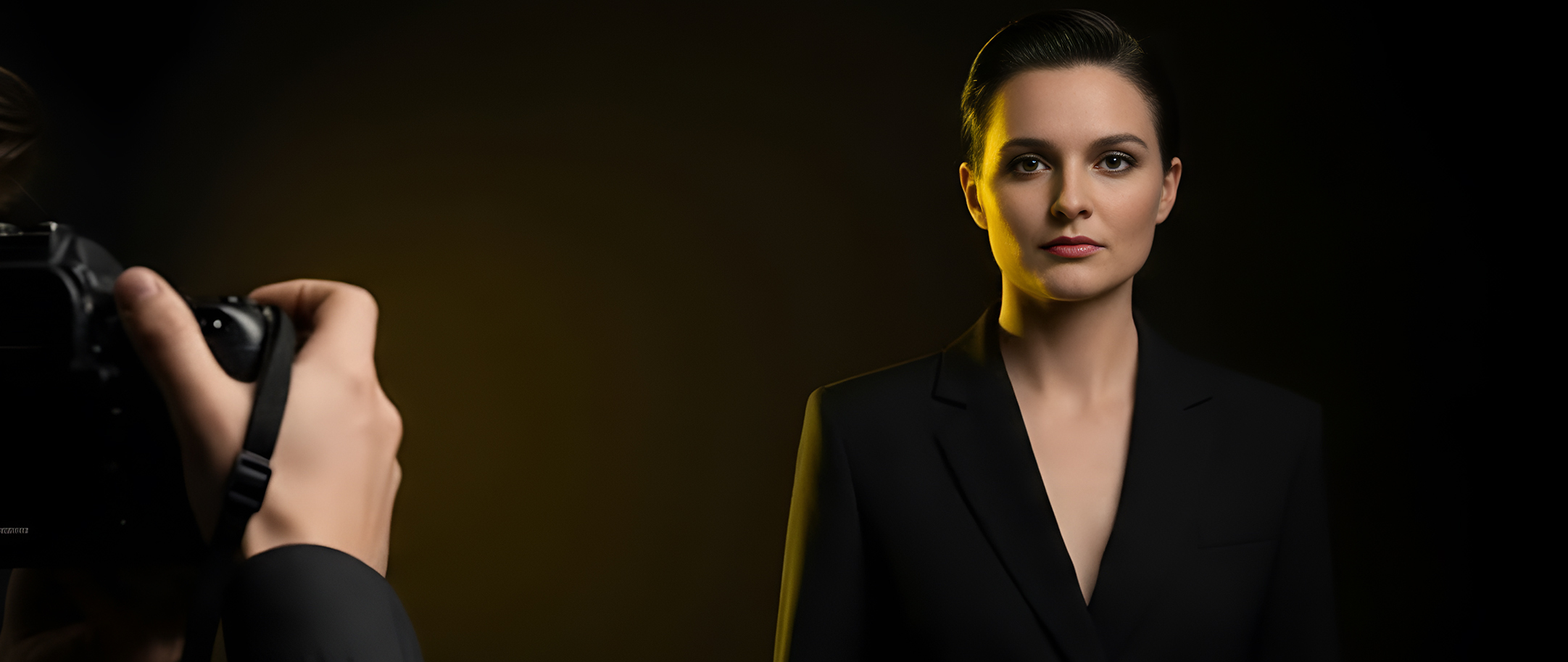
Usually used to highlight edges and add a dramatic effect.

Portrait Photography Equipment

Camera

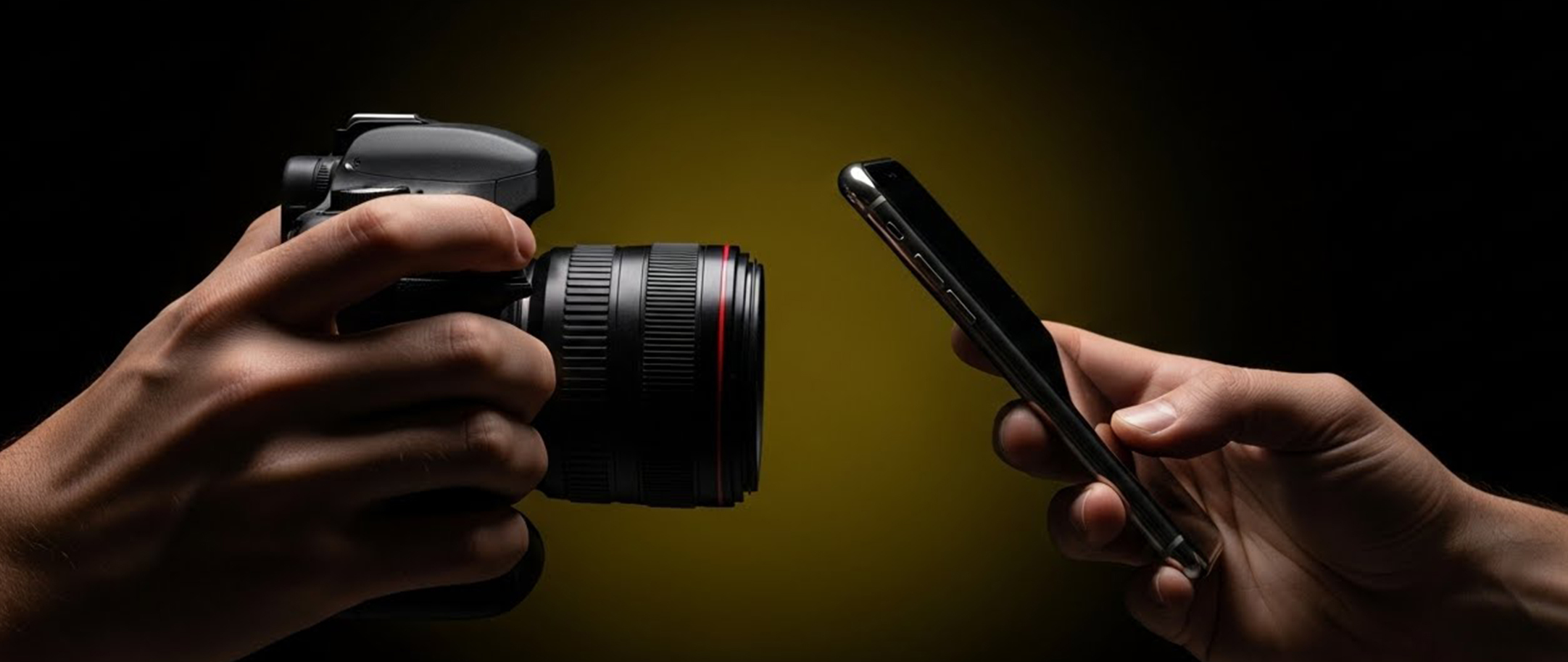
DSLR or Mirrorless cameras are ideal for portrait photography, and some use modern smartphones effectively.

Lenses

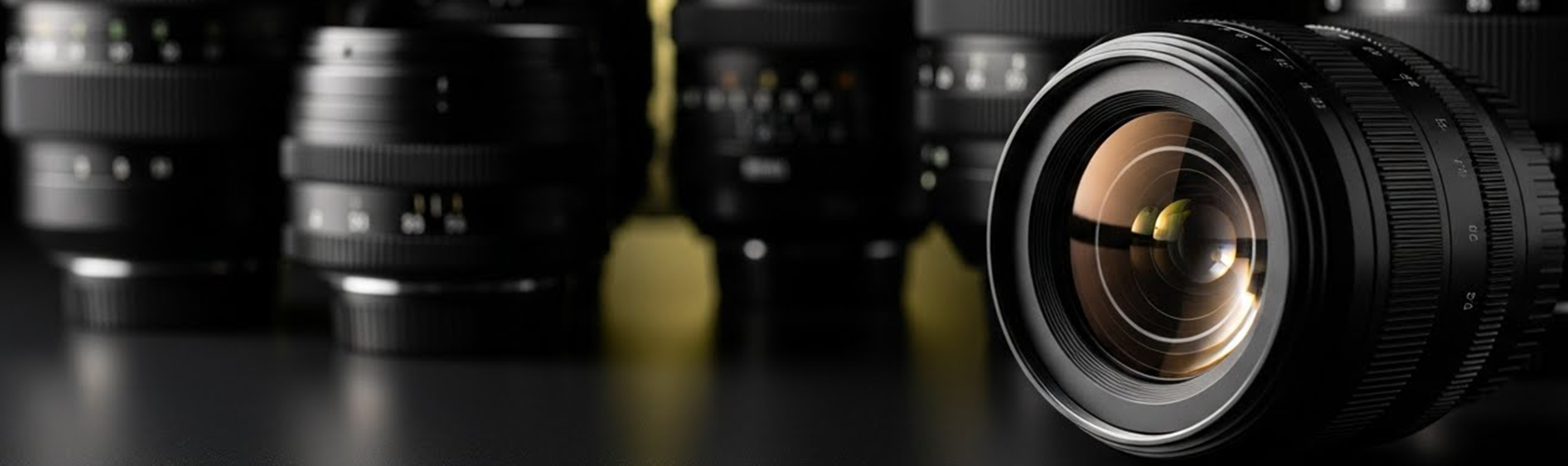
Lenses with focal lengths from 50mm to 85mm are excellent for subject isolation.

Lighting

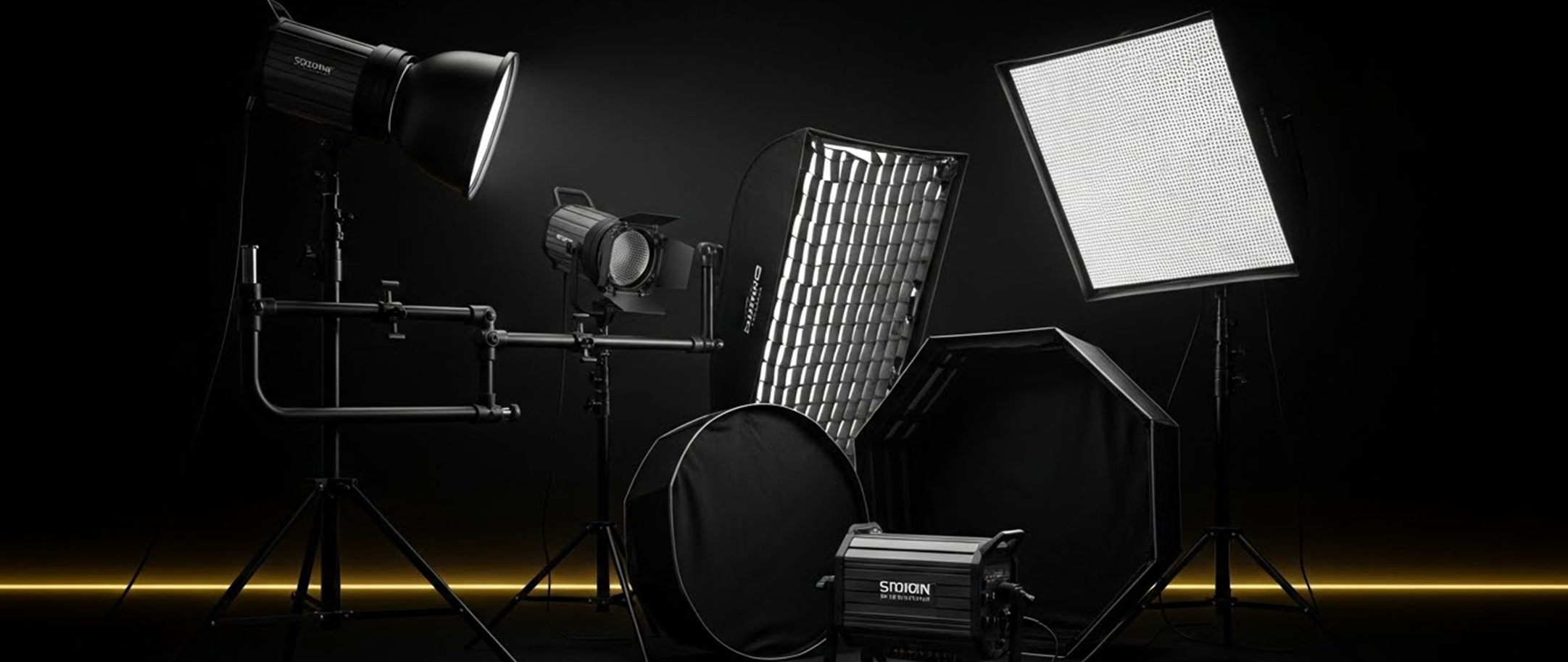
Natural light is great, while artificial lighting (Softbox or Ring Light) allows for greater control.

Tripod

Helps stabilize images, especially when using slow shutter speeds.

Composition and Framing

01

Rule of Thirds

Place the subject's eyes at the golden points of the image.

02

Background Isolation

Use a wide aperture (f/2.8 or lower) to isolate the subject from the background.

03

Eye Contact

Maintaining eye contact adds power to the photo.

What is the importance of editing portrait photos?

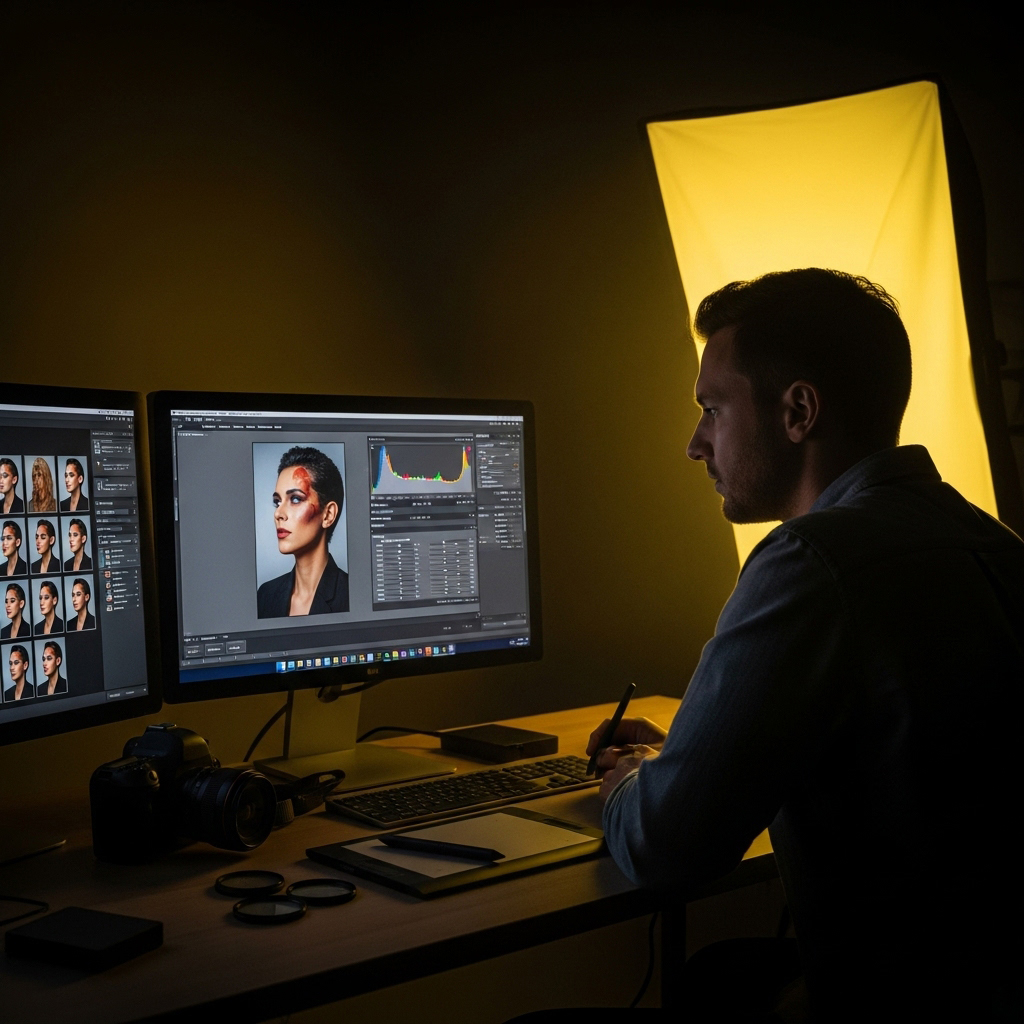
After the photography stage comes the importance of editing to improve the image. Programs like Adobe Lightroom or Photoshop are used to adjust lighting, contrast, and colors. Our photographers make sure not to over-edit to maintain the true nature of the image.

Frequently Asked Questions

Prices are determined by location, professional session length, and additional services such as video, editing, and photo processing.
Portrait photography requires high accuracy and attention to detail. Harsh lighting and shadows can hinder showing facial features naturally, so soft, evenly distributed lighting must be selected.
Other mistakes include choosing a cluttered background that distracts attention from the main subject; to avoid this, simple or blurred backgrounds should be used. Poor composition, such as always placing the subject in the center of the frame, is also a major mistake. The solution is using the rule of thirds or different angles that add dynamics to the photo.
Theoretically, any camera can be used to take a portrait, but a DSLR or mirrorless camera will allow the photographer to control manual settings like aperture, shutter speed, and ISO, giving better results especially when using a high-quality lens.

Portrait photography contributes to documenting moments, highlighting aesthetic details, and providing a window for visual communication with personalities. It is a form of artistic expression that allows photographers to tell stories in a stunning visual style.

Portrait photography is not limited to technique; it is about understanding individuals and showing their best in a professional, creative frame that gives an impression of the environment, profession, culture, or the person's feelings at that time and place. We provide photography services with efficiency, professionalism, and high quality, and we are happy to share with you in documenting the most beautiful moments.

Let's start something new together