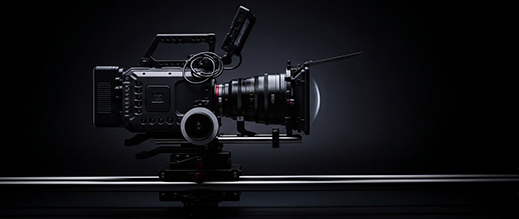
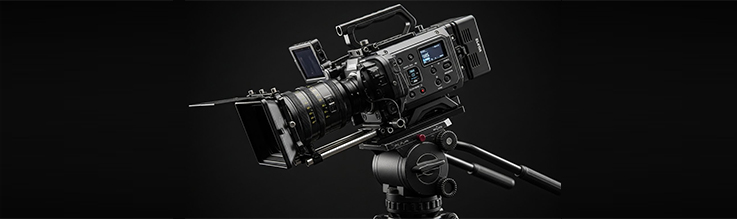
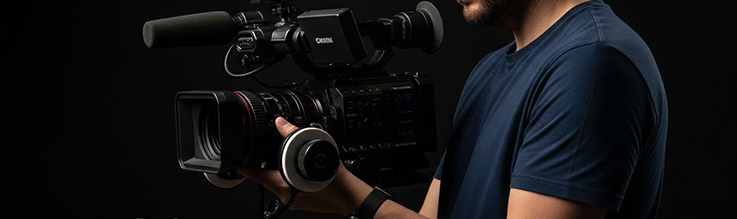
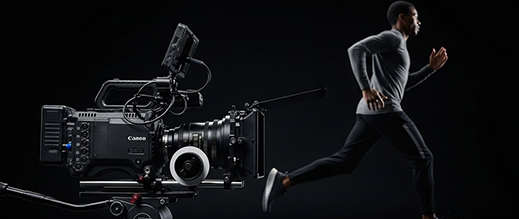
Cinematography is a high artistic style, like the dough with which filmmakers shape the visual language of the story. Lighting, movement, composition, and shooting techniques add magical aesthetic dimensions that captivate viewers and transport them into the world of enjoyable viewing.
Cinematography involves creative and technical decisions that form the heart and soul of the project, including camera angles, lighting, composition, lens choice, and movement. At every stage of production, cinematography plays an important role in highlighting the director's vision.
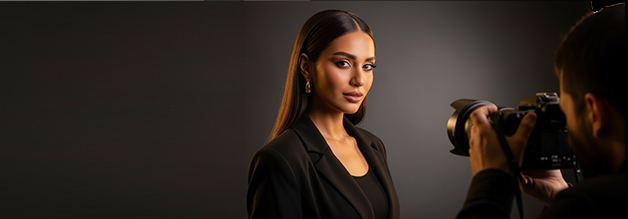
The Director of Photography (DoP) or cinematographer collaborates with the director to design a visual style that supports the story and sets the film's tone, starting from planning the shots to setting the lighting on set and improving the final look in post-production. They have their own touches in every aspect of the visual storytelling of the story.
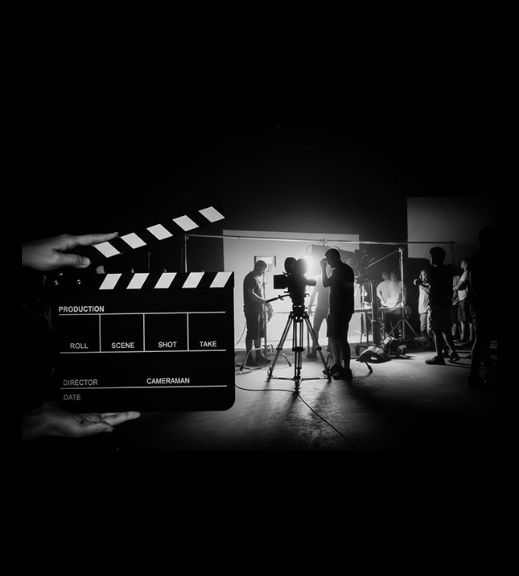
Cinematography is not limited to creating stunning visual scenes for pleasure; it represents the art of crafting how the story resonates with your audience. Cinematography plays a crucial role in viewers connecting emotionally with characters and moments within professionally shot scenes.
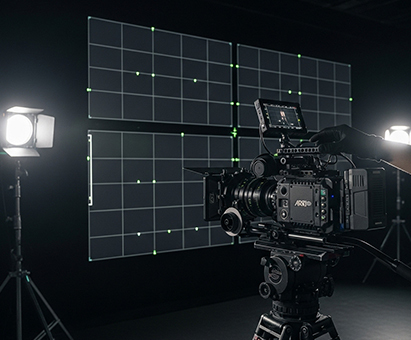
It relies on using digital tools to shoot and edit content, allowing cinematographers to view, adjust, and improve shots in real-time, thereby simplifying the creative process without compromising quality.
Videography focuses on capturing events as they happen, while cinematography is concerned with creating a purposeful and elegant visual narrative, which highlights the latter's importance in storytelling.
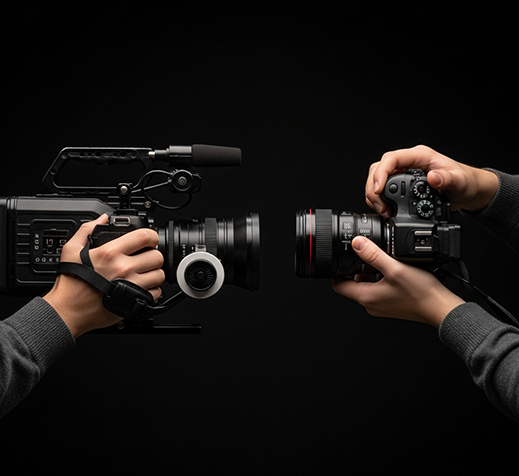
A professional cinematographer or Director of Photography (DoP) is concerned with shaping the visual identity of a film, television program, or any other digital project with high quality. Their mission is to translate the director's vision into attractive images by making key decisions related to lighting, framing, camera angles, lens selection, and camera movement, as these choices help create the mood, tone, and story sequence.
With team spirit, DoPs work closely with the director, producers, production designers, and camera crew to ensure that every shot aligns with the integrated creative vision. With accumulated experiences, the DoPs in our company follow a unique style to harness shooting techniques, and their style forms a wonderful artistic signature that gives all projects an extra advantage.
Shots and Camera Angles
These are basic tools used by the cinematographer to shape how the story is perceived and experienced, affecting the viewer's gaze, emotional response, and perception of plot developments or character dynamics.
Camera Movement
This is the way the camera physically moves during the shot, whether panning horizontally from side to side, tilting up or down, or moving fluidly through space. These movements are not limited to following the action but affect the rhythm, atmosphere, and the audience's emotional connection to the moment.
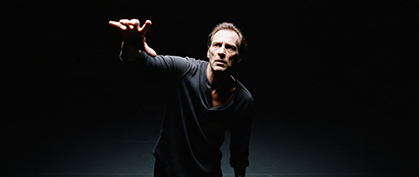
Lighting is a technical necessity and a powerful storytelling tool that can display a character's emotional state, general aesthetic face, and the film's atmosphere.
It is used to support the story emotionally and visually, especially since light affects the feel of the scene, whether harsh, dramatic, or romantic. DoPs use light to create greater emotional depth, draw attention to specific details, and set the appropriate mood for each scene.
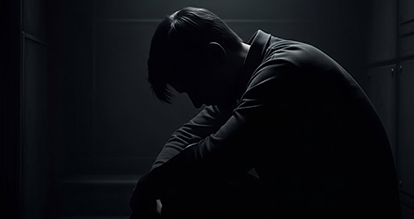
Placed behind the subject to separate them from the background and add depth to the frame. For example, a backlit silhouette can create a sense of mystery.
The main light source of the scene, which determines the overall exposure and highlights the subject's primary features and details.
Helps balance contrast and can maintain visibility without flattening the image. DoPs use it to reduce shadows created by the main light.
Using sunlight can give scenes a realistic, grounded look, often seen in documentaries or indie films for an authentic feel.
When planning your cinematic project, the availability of cinematography-specific techniques should be considered. When you combine the lens with creative vision,
You guarantee a wonderful production, especially since our photographers possess a unique artistic vision and are distinguished by creativity to make emotions into impactful cinematic scenes. They also have the ability to transform ideas into meaningful artistic images using innovative angles.
Let's start something new together